When I started my property career, I worked on Margaret Street, located in the south western part of Fitzrovia, moments away from Oxford Circus.
The street has changed so much since 2010 (yes, I’m that old!). Long gone are the days of having a Friday fish finger sandwich from Benugo or queuing up in Vital Ingredient for a freshly made salad. Aside from nostalgia for my stomach, a happenstance at one of our clients’ buildings got me thinking about the history of this street.
Whilst refurbishing a spectacular showroom at 27 Margaret Street which we have pre-let to a global technology company, our client Weybourne Holdings stumbled across a well in the lower ground floor. Despite my attempts to find out its history, including trudging through a very long UCL report about the street, the well remains a mystery to me!
Fortunately, the street has so much history, it’s almost impossible to pack it all into this bite size blog! Here are a few highlights:
The street was named after Margaret Bentinck, Duchess of Portland who was daughter of local landowner Edward Harley, second Earl of Oxford and Earl of Mortimer, whom many local street names were named by and after.
Despite its links with aristocracy, like a lot of history in Fitzrovia, Margaret Street was known for manufacturing, with agricultural inventor William Winlaw housing his factory in Margaret Street in the 18th century.
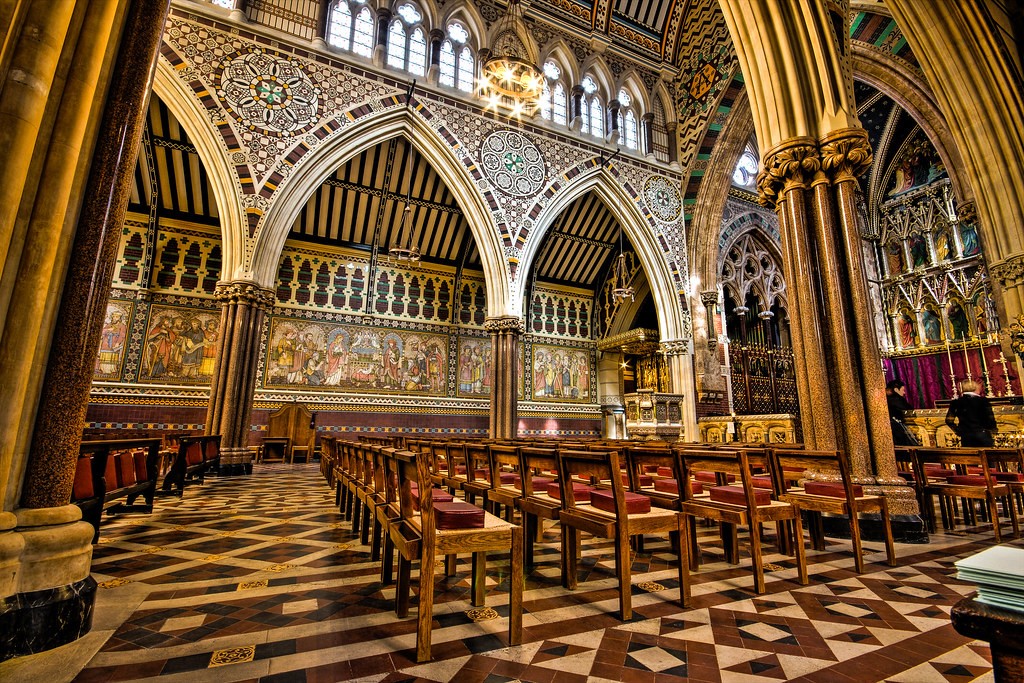
More recent history saw the construction of William Butterfield’s masterpiece – the All Saint’s Church which marked a new stage in the development of gothic revival. Additionally, The London Fo Guang Shan Temple has been a staple of the street since 1992 housed in a former parish school also designed by Butterfield.
Margaret Street was also home to the renowned “Speakeasy Club” which was frequented by the record industry and top agency executives especially in the Rock music scene. Elton John, The Rolling Stones, Pink Floyd, Jimi Hendrix, David Bowie and Bob Marley are all known to have played at the club throughout the 1960s and 1970s.
The “ye olde” style pub on the corner of Margaret Street and Great Portland Street “The Cock” additionally has a long history in the area, with the original pub opening in the early 1700s, before being redesigned and rebuilt in 1898, by architects Bird and Walters whom built more than 70 pubs across the capital.
It is a strongly held belief that Lenin chaired covert meetings in this pub in 1905 when he visited London, based on documents typed by William Melville, the former head of the Special Branch, which was running a new intelligence department in 1905, that eventually became what we now know as MI5.
So, what does the future look like for Margaret Street?
Today, the street has a mix of independent owners as well as larger landowners such as Weybourne and the Langham Estate, who both take long term views to enhance the buildings they own as well as the streets they are located on. We have already seen changes including converting former designated showroom units into retail, restaurant and leisure offering which increase footfall on the street, in addition to providing modern office accommodation that draws a range of high-quality organisations from a range of sectors. We are delighted to represent both organisation and work with them to continue changing the area.
With the area most known for its “rag trade” since the mid-century, the 2010 decade began gaining traction, appealing to media organisations as it offered cheaper alternatives to Soho. By the 2020s, Fitzrovia competes with and is often preferred to Soho. We are also seeing a significant rise in professional, finance and investment sectors moving away from areas such as Marylebone and Mayfair, choosing Fitzrovia. This move helps attract new talent and to retain their young and ambitious employees.
Roads like Margaret Street will benefit from this new audience demographic, as it starts to cater for an even higher quality retail and leisure offering, which the workers of the area will demand.

