
There has been a recent development regarding the energy efficiency requirements for rental properties. The government has decided to extend the deadline for landlords to increase their Energy Performance Certificate (EPC) ratings to a band C, with a new deadline of 2028. This is great news for landlords who were feeling the pressure to upgrade their properties to meet the new minimum energy efficiency standards. This move is not only beneficial for landlords but for the environment as well, as it will help reduce carbon emissions and make our planet a greener place to live.
When will the new standards be introduced?
The government has now revised this plan and given landlords an additional three years to prepare, with a new deadline of 1 April 2028 for all rental properties to comply with the new standards. This approach aims to minimise any potential disruptions to landlords and tenants, providing landlords with ample time to strategise and secure funding for any necessary improvements. The new deadline also encourages a comprehensive approach to property enhancements, ensuring that all rental properties meet the minimum energy efficiency standards by the same date. This move is a step in the right direction towards creating a more sustainable future and reducing the carbon footprint of the rental sector.
What will be the new investment cap?
Under the current regulations, landlords with rental properties in EPC Band F or G are responsible for financing energy efficiency improvements, as recommended by the EPC, up to a maximum limit of £3,500.
While some third-party financing options exist, the government recognises that achieving EPC Band C for privately rented properties would require more significant investments. Therefore, the government plans to raise the maximum limit to £10,000. Based on government calculations, landlords would require an average expenditure of £4,700 to upgrade their properties to meet the new EPC Band C standard. This increased funding limit not only encourages landlords to invest in more sustainable and energy-efficient rental properties but also reduces the financial burden on them.

What is a “fabric first” approach?
The “fabric first” approach to energy efficiency focuses on enhancing a building’s fabric efficiency, such as its insulation, before addressing its heat and electricity generation.
This approach not only proves to be cost-effective but also aligns with the recommendations for improvements listed in an EPC. These improvements are prioritised in the following order: insulation, heating and hot water, upgrades to windows and doors, and electricity generation measures. However, landlords are free to make these improvements in any order they choose, as long as they comply with the regulations. The government is currently considering several measures to encourage landlords to adopt the fabric-first approach, which may include making it mandatory under the regulations. By prioritising fabric efficiency improvements, landlords can create more sustainable and energy-efficient rental properties, ultimately reducing their carbon footprint and contributing to a greener future.
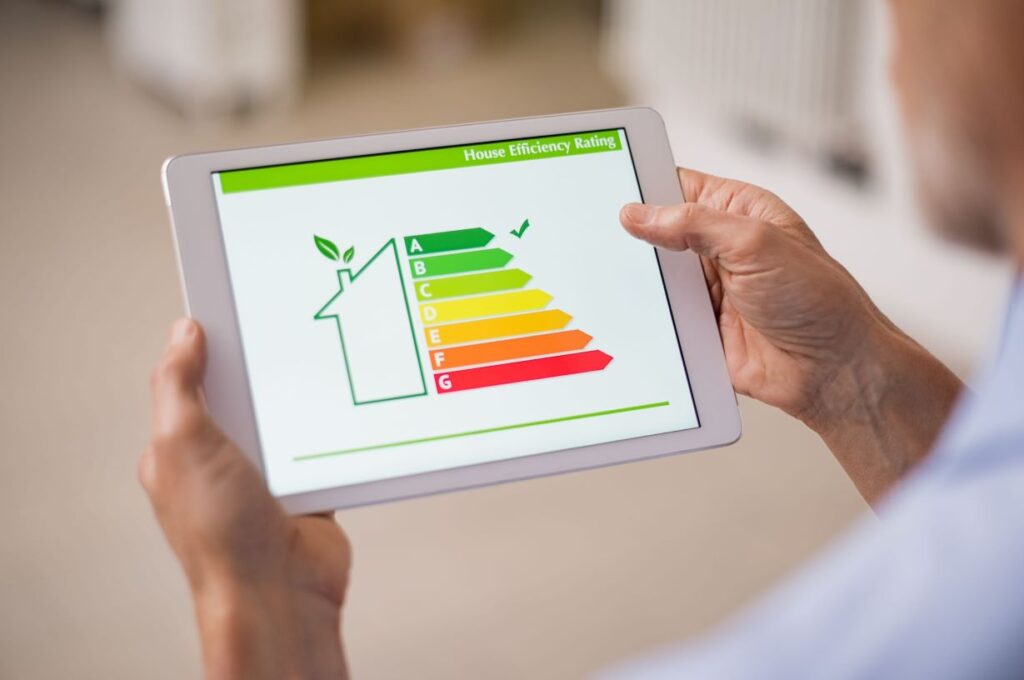
Is the energy efficiency of private rental properties improving?
Improving the energy performance of homes is indeed a key aspect of the UK government’s efforts to achieve its net-zero carbon emissions target by 2050. In addition to mitigating the impact of the energy crisis and reducing energy bills for tenants, it can also contribute to addressing fuel poverty and improving the health and wellbeing of residents.
While there has been progress in the private rented sector, there is certainly more work to be done to meet the proposed EPC Band C regulations. It is important to note that the estimated cost to landlords of reaching Band C, as stated by the Office of National Statistics, may vary depending on the specific property and the measures needed to improve its energy efficiency. Landlords are encouraged to seek advice and explore funding options to ensure they can comply with the regulations in a cost-effective manner.
This article is intended as a guide only. For more information, see Improving the energy performance of privately rented homes: consultation and Improving Energy Performance Certificates: action plan.
If you would like further insight on the latest EPC guidelines, please contact our experienced Property Management team at LDG today.
