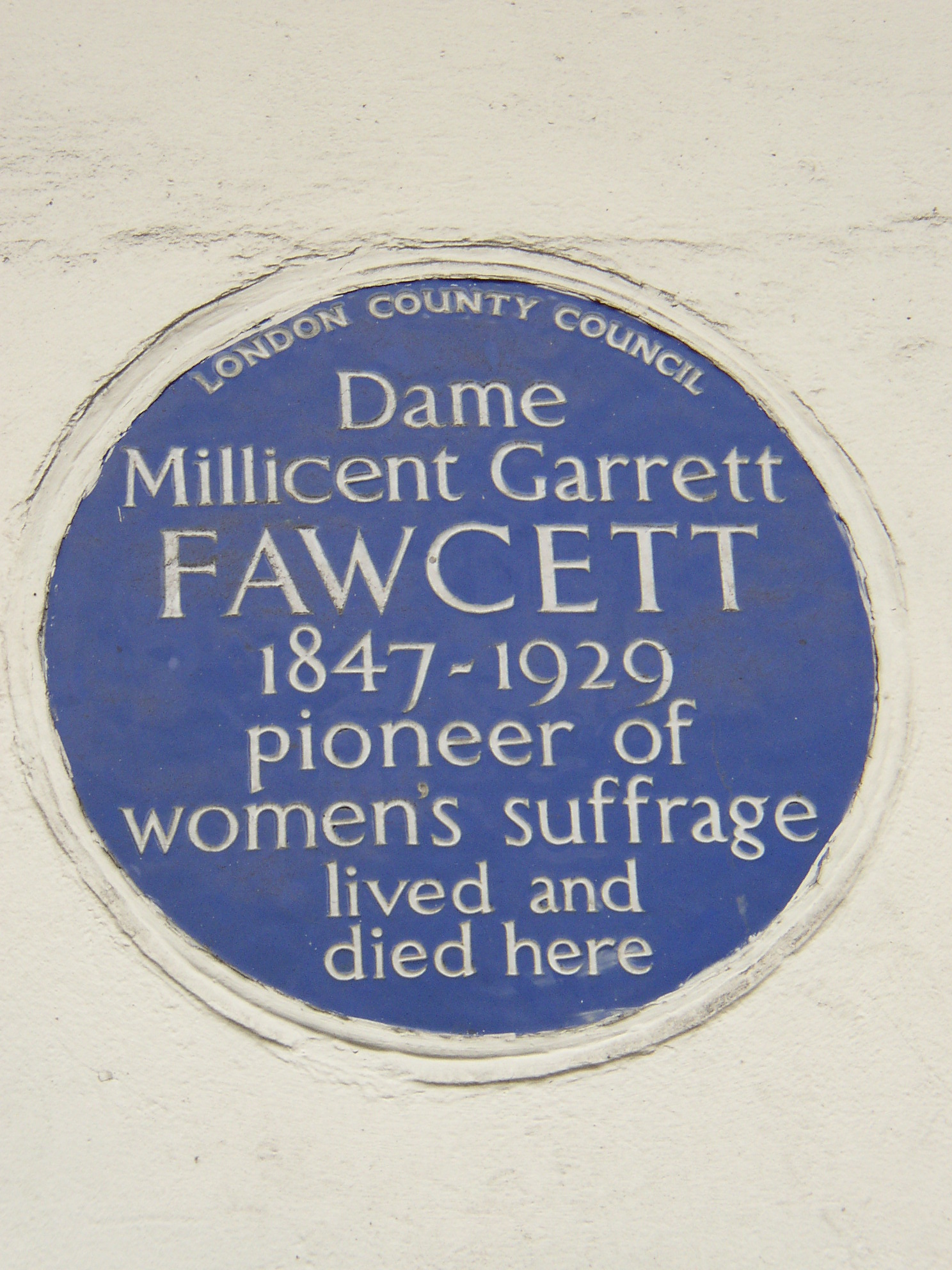
Fitzrovia, located in the borough of Camden, is home to a wealth of history and culture. This neighbourhood has been the site of many important events throughout its storied past and is now home to a number of historical landmarks and Blue Plaques commemorating them. On this tour, we will explore some of the most significant sites in Fitzrovia and learn about the people and events that have made it one of London’s most fascinating neighbourhoods.
Fitzroy Square
The Fitzrovia Blue Plaque Tour begins at Fitzroy Square, which has been the site of many important events throughout its history. Fitzroy Square was originally built in the early 18th century as a fashionable residential address for the wealthy. However, it soon became known as a centre for London’s bohemian and artistic community. Notable residents of Fitzroy Square have included the painters Francis Bacon and Lucian Freud, the writer Virginia Woolf, and the musician Jimi Hendrix. In recent years, Fitzroy Square has become home to a number of businesses and organizations, including The Guardian newspaper and Google UK.
The square is also home to one of London’s most famous Blue Plaques, commemorating the writer George Orwell. Orwell lived at number 50 Fitzroy Square from 1927 to 1929, and it was here that he wrote his first novel, Burmese Days. Orwell’s blue plaque is located on the building where he lived at 50 Fitzroy Square.
Tavistock Place
Next stop on the tour is Tavistock Place, just a short walk from Fitzroy Square. This street is named for the Duke of Bedford, who owned much of the land in Fitzrovia in the 18th century. Tavistock Place has been the site of many important events throughout its history, including the founding of The Guardian newspaper in 1821. The Guardian was founded by a group of liberal journalists who were critical of the government’s handling of the Peterloo Massacre. The newspaper’s first office was located at number 90 Tavistock Place, and it remained here until 1925, when it moved to its current location on Fleet Street.
Great Portland Street
Next on the tour is Great Portland Street, one of London’s busiest streets. Great Portland Street has been home to a number of notable businesses and organizations over the years, including The Guardian and BBC Radio One. The street is also home to a number of historical landmarks, including All Souls Church and Broadcasting House. All Souls Church was designed by Sir John Soane and is considered one of the finest examples of Neo-Gothic architecture in London. Broadcasting House is the headquarters of the BBC and has been home to some of the most important events in the history of British broadcasting.
Tottenham Court Road
The tour will conclude at Tottenham Court Road, which is home to a number of notable businesses and organizations. Tottenham Court Road is also home to a number of historical landmarks, including the British Museum and the National Portrait Gallery. The British Museum is one of the world’s largest museums and houses a vast collection of artefacts from around the world. The National Portrait Gallery is Britain’s premier portrait gallery and contains a wealth of portraits of some of the most famous people in British history. Tottenham Court Road is also home to a number of Blue Plaques commemorating some of the area’s most famous residents. These include George Orwell, who lived at number 27 Tottenham Court Road from 1934 to 1935, and the writer Virginia Woolf, who lived at number 46 Tottenham Court Road from 1924 to 1939.
Walking tours are a great way to explore a new city or neighbourhood, and they are an excellent way to learn about the history and culture of an area. We highly recommend taking a walking tour of Fitzrovia if you are interested in learning more about this vibrant and historic part of London.
